


Your Source for Premium Hardwood Products and Lumber


Featured Products
Check out our top product offerings for the home or your next woodworking project.
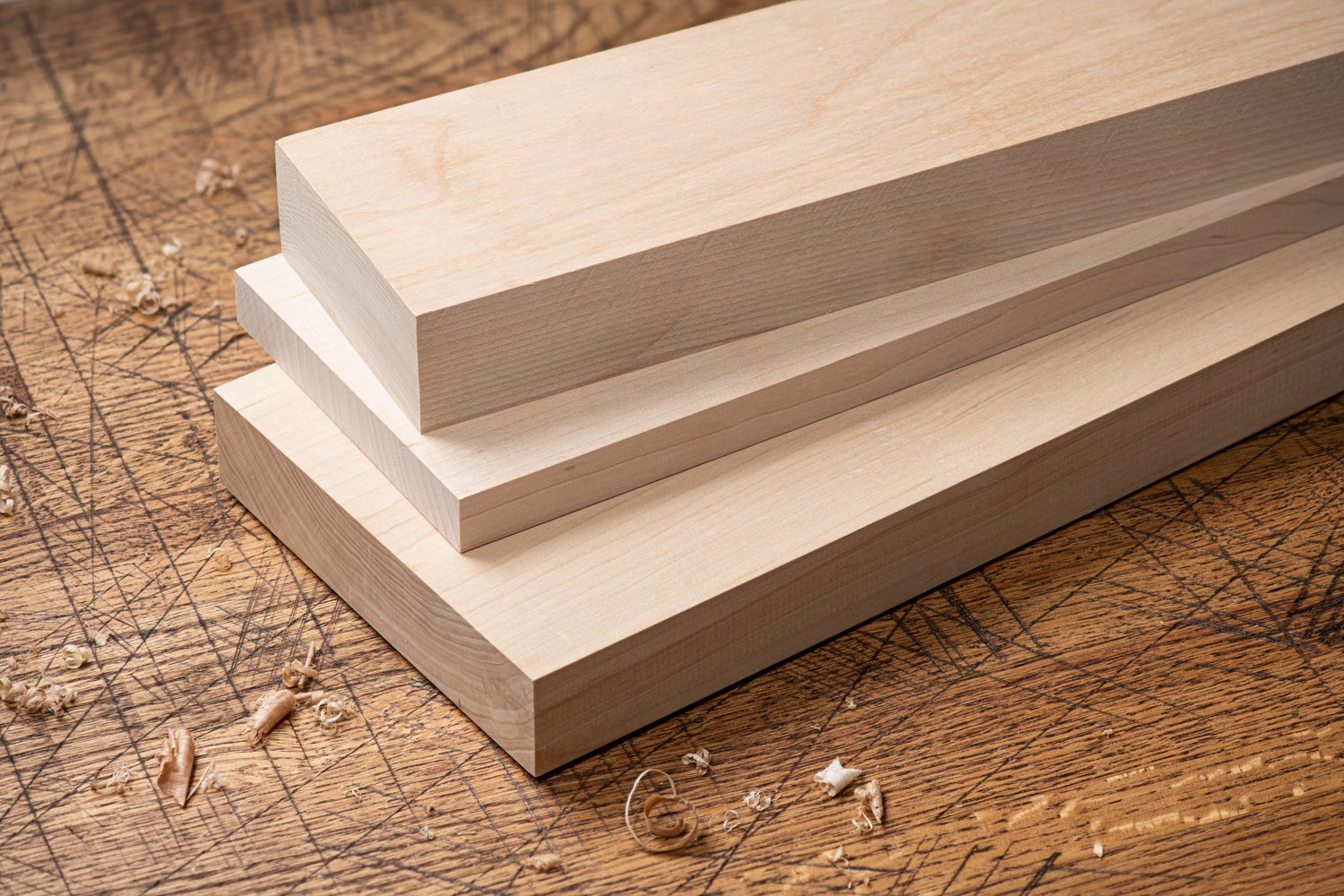
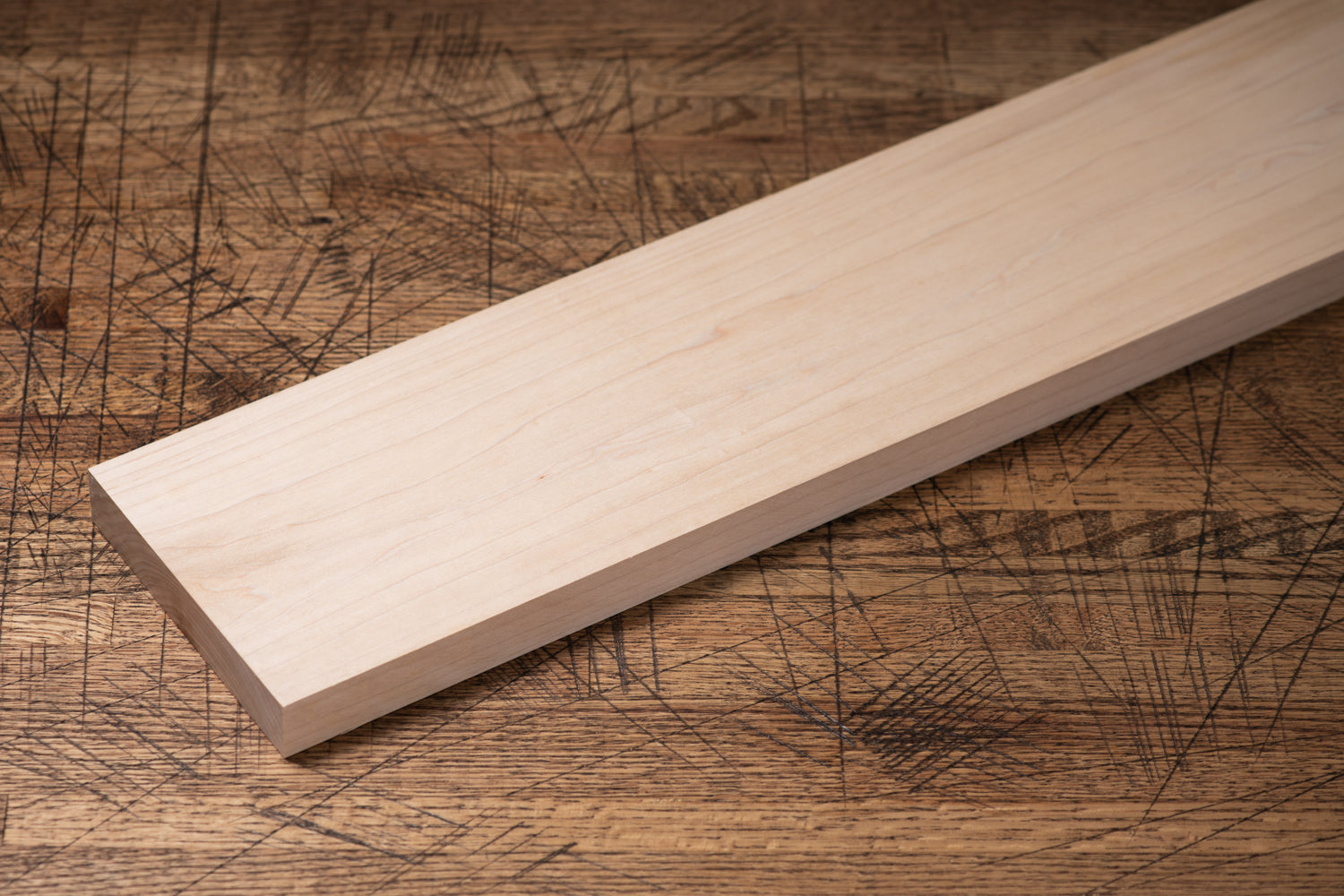
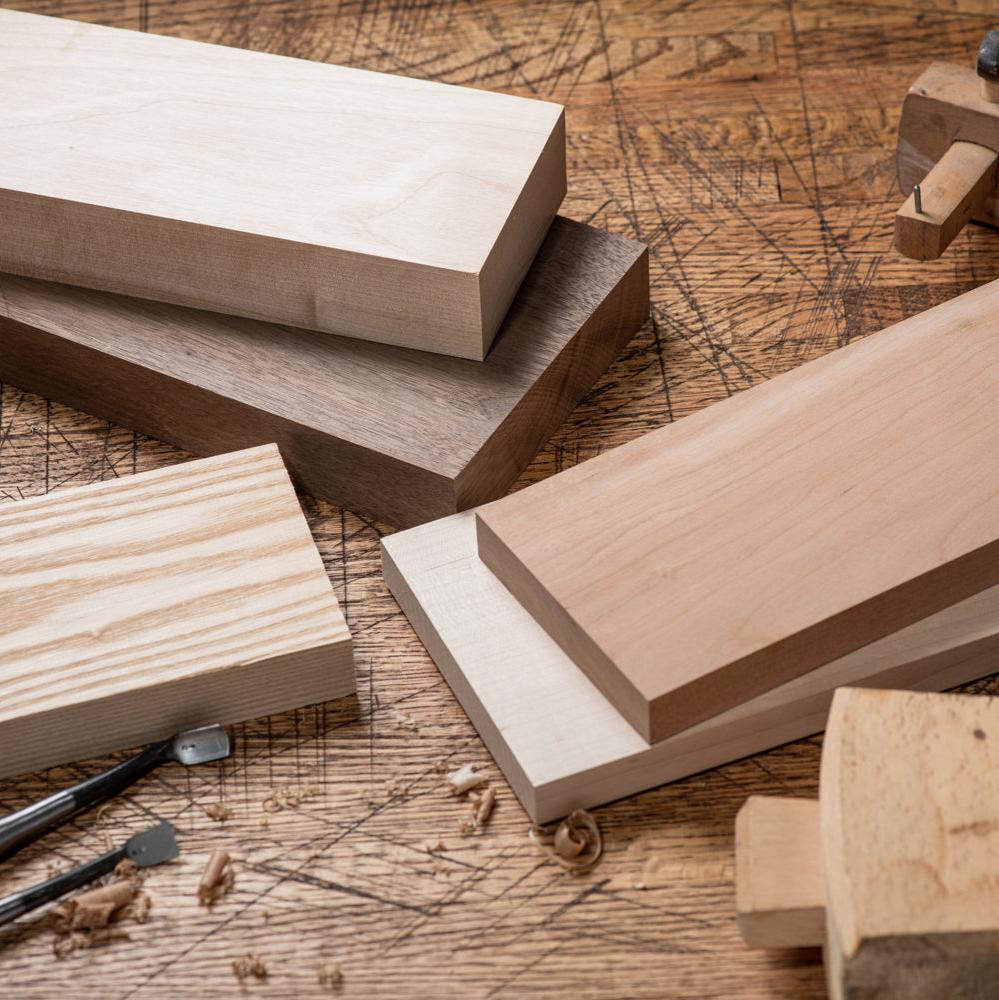
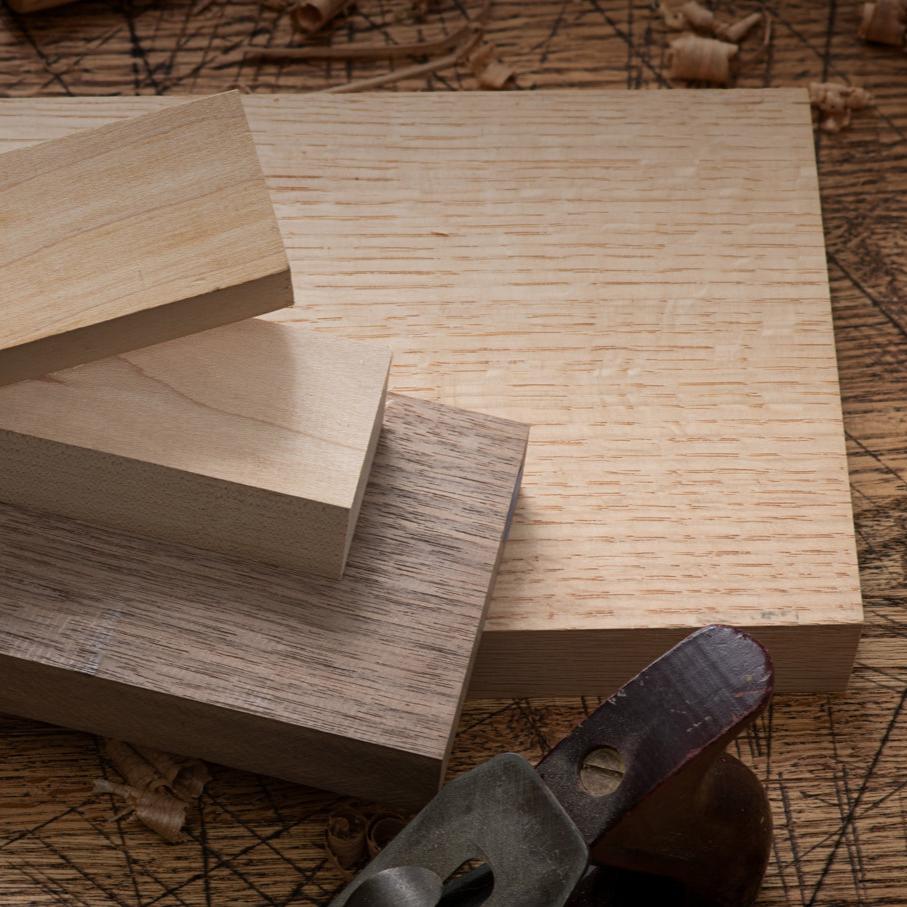
| Species: | MAPLE (HARD MAPLE) |
| Type: | Dimensional Lumber |
| Width: | 2.5", 3", 3.5", 4", 4.5", 5", 5.5", 6", 6.5" |
| Length: | 18", 24", 30", 36", 42", 48" |


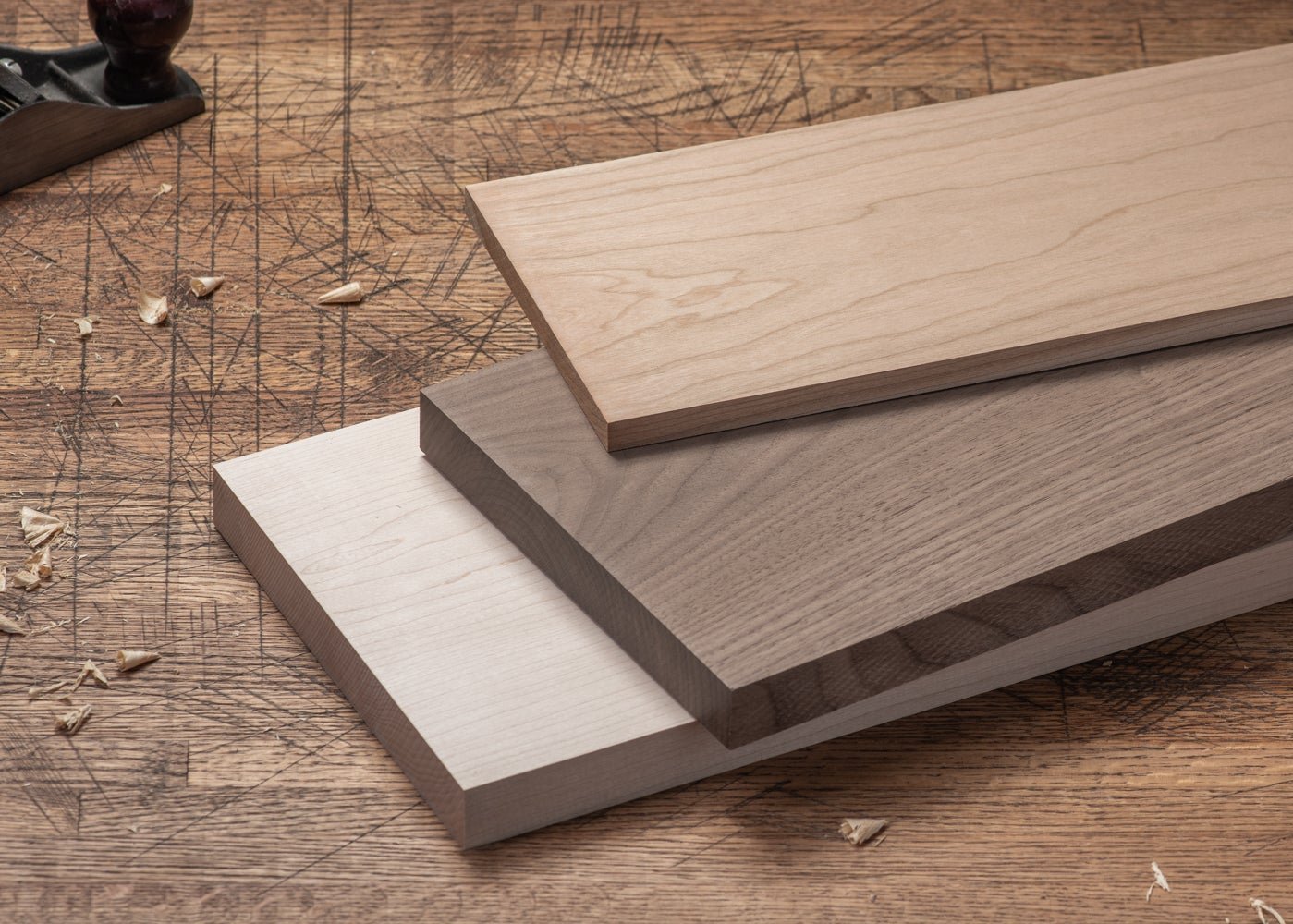
| Tabletop Material: | Walnut, Cherry, White Oak (Rift and Quartered) |
| Leg Material: | Walnut, Cherry, White Oak |


| Color: | Tan, Brown |
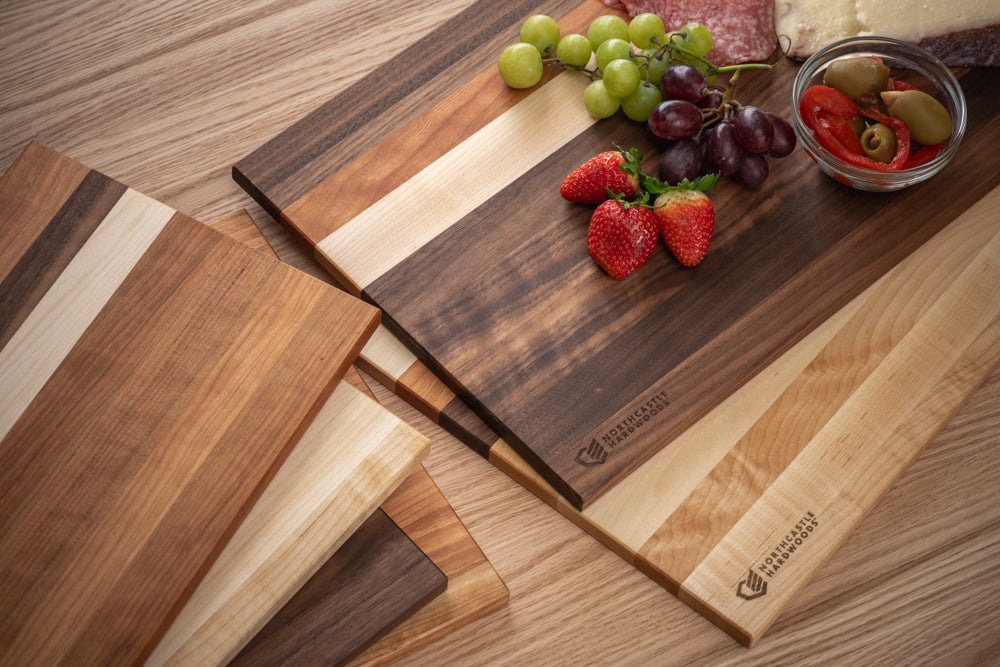
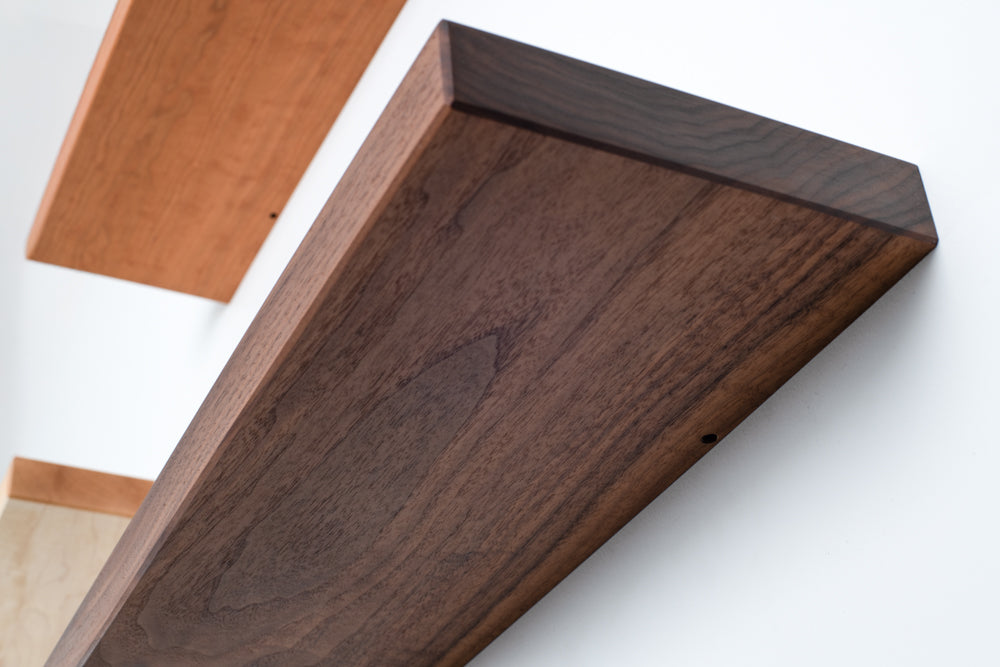
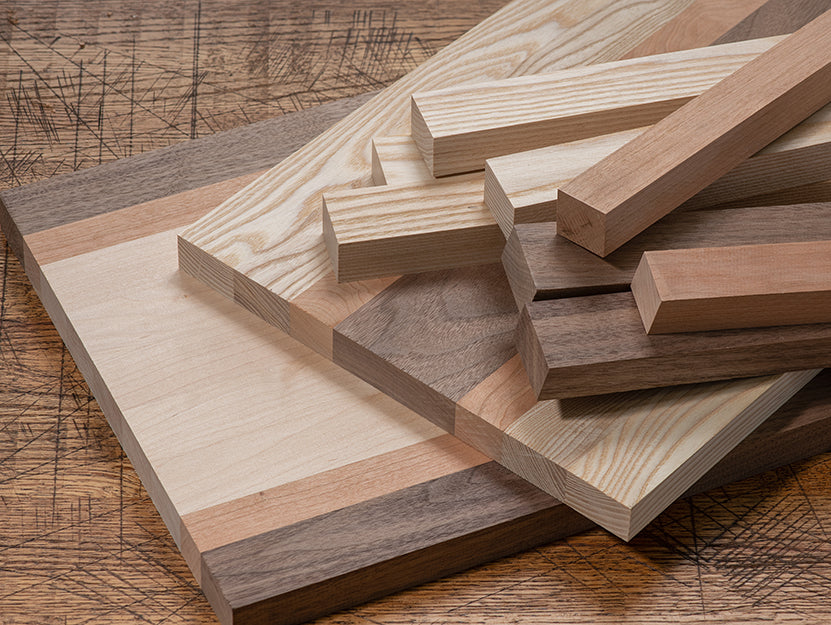
Ethically Sourced
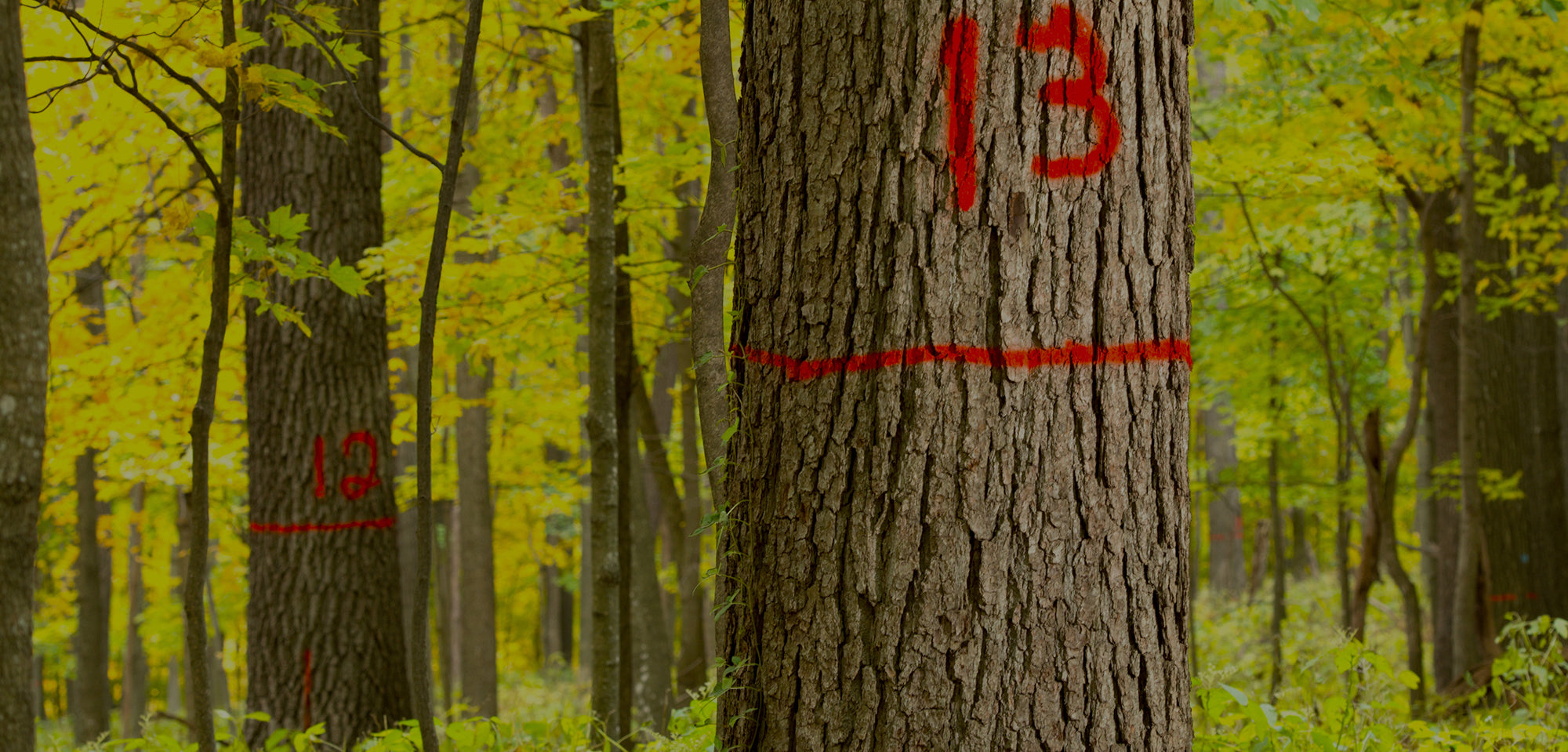
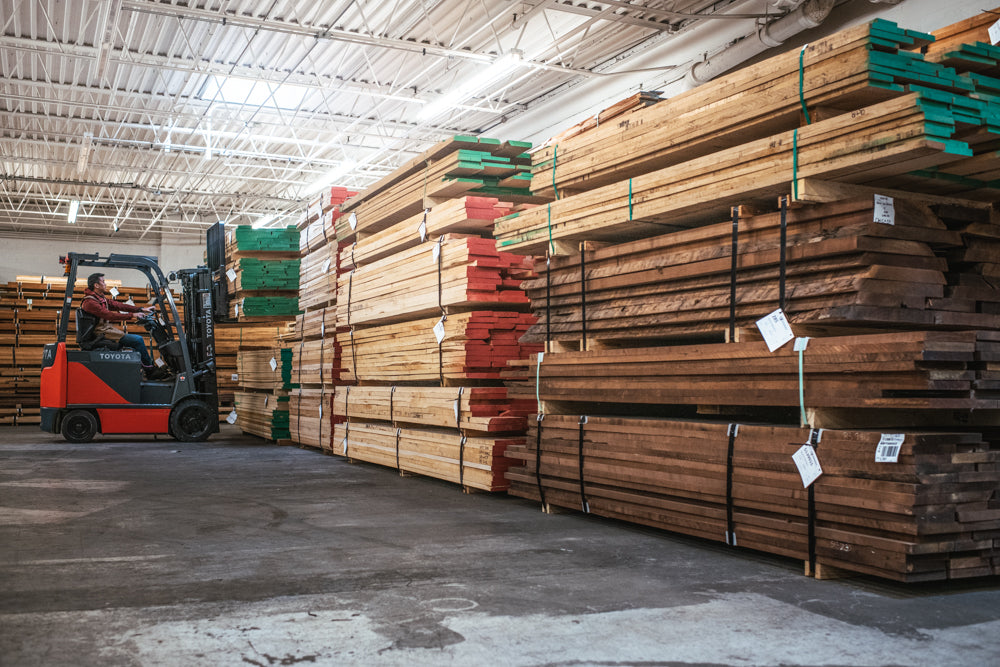
We have a close relationship with our loggers and sawmills and guarantee that our materials come from environmentally mindful harvesting.

MORE ABOUT NORTH CASTLE
Transform your home with custom furniture, shelves, and countertops from our Chicagoland manufacturing. Or use premium hardwood for your own home or contracting projects!
Discover Woodworking
Learn tips & techniques for working with hardwood lumber.

Food-Safe Finishes for Cutting Boards and Countertops
In kitchens, butcher shops, and home workshops alike, wood brings a warmth and function that few materials can match. But when it comes to food contact surfaces like cutting boards, countertops, and serving platters, the finish you choose matters just as much as the species of wood. The right food-safe wood finish not only protects the surface, it safeguards the people using it. This guide walks through everything you need to know to make confident, informed choices in the kitchen or the shop. Why Food-Safe Finishes Matter When wood is used in environments where it touches food, the finish becomes a frontline defense. It protects the wood from moisture, stains, and microbial buildup, and it ensures that harmful substances don’t leach into the food being prepared. Unlike decorative furniture finishes, food-safe options must be non-toxic, non-reactive, and stable once cured. That means no off-gassing, no harmful residues, and no risk to health over time. It’s about preserving both the function and safety of a piece that sees daily use. Look for finishes that have no VOCs (Volatile Organic Compounds). Choosing the Right Wood for Food Contact Surfaces A safe finish begins with a smart wood choice. Hard, closed-grain woods are ideal for cutting boards and countertops. Their tight pores help resist bacteria and moisture, making them naturally hygienic and more durable. Although, some open grain hardwoods, such as Walnut and White Oak, can also be suitable with the proper finish. Some of the top choices include: Hard maple: Closed grain, excellent durability, widely used in commercial kitchens Walnut: Dense and beautiful, with rich color and smooth texture Cherry: Matures to a warm tone, fine grain, easy to work and finish White oak: Contains natural tyloses for water resistance, though open grain makes it better for countertops than cutting surfaces Avoid Red Oak for culinary purposes as its open grains do not have the water-resistant tyloses like its White Oak relative. Red Oak’s open grains act like straws, allowing fluids to completely pass through the board. At North Castle Hardwoods, we supply these species and more, all responsibly sourced from North American forests and selected for clarity, stability, and performance. Types of Food-Safe Finishes (And When to Use Them) At North Castle Hardwoods, our finish recommendations come from years of hands-on experience working with hardwoods in real shop and kitchen environments. We focus on plant-based, food-safe options that perform reliably and bring out the best in the wood. Each of the finishes below has been selected for how it behaves on properly prepared hardwood surfaces, not just how it looks on the label. Cutting Board Oil A plant-based penetrating oil designed specifically for food-contact surfaces. It soaks deep into the fibers and lightly solidifies, helping reduce surface residue while keeping the wood conditioned. *potential for small text beneath the button that states: Available in sizes from 2 oz to 1 gallon Pros: Plant-based, penetrates deeply, solidifies for minimal residue Cons: Requires semi-frequent reapplication with regular use This is a practical, go-to choice for cutting boards and butcher blocks that see daily use and regular washing. Wood Wax A blend of natural waxes and oils that adds a protective layer while enhancing the wood’s natural color and feel. Often used as a topcoat over oil. *potential for small text beneath the button that states: Available in sizes from 2 oz to 16 oz Pros: Plant-based, cures to a hardened layer, long-lasting protection, requires fewer reapplications, easy to maintain Cons: Requires drying and cure time Wood wax is ideal for adding durability and a smooth, finished feel to surfaces that need a bit more protection. Pure Tung Oil One of the most durable natural finishes available, but only when it is truly pure. Many products marketed as “tung oil finish” contain little to no actual tung oil and may include additives that are not suitable for food contact. We always recommend verifying that you are using 100% pure tung oil. *potential for small text beneath the button that states: Available in sizes from 8 oz to 1 gallon Pros: Plant-based, cures to a very hard surface, highly durable, long-lasting Cons: Long cure time, requires multiple coats, adds a slight yellow tone to the wood Pure tung oil is best suited for countertops and serving surfaces where long-term protection is the priority. Hemp Oil A plant-based option for those looking to avoid nut-derived products. It penetrates the wood and cures to provide a moderate level of protection. Pros: Plant-based, no nut products, hardens for protection Cons: Requires cure time, not as hard as tung oil Hemp oil offers a reliable alternative for food-contact projects where allergen concerns are part of the decision. How to Apply Food-Safe Finishes Properly Application techniques matter just as much as product choice. A poorly applied finish may offer little protection and could even compromise hygiene. Basic steps: Sand the surface smooth with fine-grit sandpaper (180 to 220 grit) to open the grain and remove machining marks. Clean thoroughly to remove all dust and oils before applying finish. Apply liberally using a clean cloth or brush, allowing the finish to soak in deeply. Let it sit for 15 to 30 minutes, then wipe off excess. Repeat as needed for additional coats, allowing each to fully absorb and cure. Buff lightly if using a wax or oil-wax blend for a smooth, satin feel. Drying or curing oils like tung oil may take several days (up to a month) to fully cure, depending on atmospheric conditions. Keep surfaces out of use during this period. Long-Term Care and Maintenance Even the best food-safe wood finish needs routine maintenance. Water, knives, heat, and cleaning agents wear down protection over time. Reapply oil monthly for high-use boards, or when surfaces appear dry. Also, if your board seems to be losing its hydrophobic (water repellant) properties. Avoid soaking wooden items or running them through dishwashers. Clean with mild soap and water, then dry immediately, exposing both faces for even drying Use a little Cutting Board Oil every few uses for added moisture resistance. Proper care keeps your wood pieces safe, looking good, and performing well for years. Common Mistakes to Avoid Some common errors can compromise both the finish and the function of food contact wood surfaces: Using non-food-safe finishes like polyurethane or conventional stains Skipping sanding, leading to rough or blotchy finishes Applying too much wax (or not removing excess), which can gum up and attract dirt Using unfiltered vegetable oils (such as Olive Oil), which can spoil and create odors Neglecting reapplication, causing drying and cracking For curing finishes such as Tung Oil and Hemp Oil that start as liquid oil, avoid using the flood method which is to submerse or soak the wood with the finish. Curing oils require oxygen to properly cure and the flood method traps oils underneath the surface (after it hardens) and cannot properly cure. This leads to bubbling and cracking of the surface. Patience is necessary for multiple coats but pays off with a very long-lasting finish. Avoiding these pitfalls ensures both safety and longevity. How North Castle Hardwoods Supports Food-Safe Projects From forest to finish, we help you get it right. Our premium hardwoods are kiln-dried, surfaced, and hand-selected for quality that stands up to food contact use. We specialize in: Genuine hard maple, cherry, and walnut boards with excellent grain for finishing Quartered and rift white oak, ideal for countertop slabs Clear, stable boards that reduce prep time and waste Need wide panels or custom selections? We’ll work with you directly to match your specs and help you choose wood that finishes clean and performs beautifully in kitchens, butcher shops, or restaurants. In the Workshop or the Kitchen: Choose the Right Finish Every Time Food-safe finishes are more than a final touch, they’re a crucial part of a well-made, safe, and long-lasting product. If you're building a cutting board for home or installing countertops for a commercial kitchen, the right wood paired with the right finish makes all the difference. With North Castle Hardwoods, you get wood that inspires great work. Have questions about species, finishes, or custom orders? Reach out anytime. We’re here to help.

Essential Tools for Working with Dense Hardwoods
Dense hardwoods reward skill. They hold crisp joinery, resist wear, and finish beautifully. But they also demand more from your woodworking tools than softer, more forgiving species. When you’re working with Genuine Quercus rubra (Northern red oak), hard maple, hickory, or white oak, every cut, pass, and bore has to be intentional. The right tools don’t just make the job easier. They protect your material, improve yield, and elevate the final result. Just as important, using the right tool for the job is critical for safe handling. A dull blade on a table saw or router creates excess resistance, increasing the risk of losing control and dangerous kickback. When tools are underpowered or not properly sharpened, that added resistance can lead to slips, putting your hands exactly where they shouldn’t be. Let’s walk through the essential tools for working safely, confidently, and cleanly with dense hardwoods. Understanding the Challenges of Dense Hardwoods Dense hardwoods bring strength, stability, and character. They also bring resistance. High Janka ratings mean: Increased blade wear Greater strain on motors Higher likelihood of burning Tear-out if cutters aren’t razor sharp More resistance during drilling and fastening These woods don’t forgive dull edges or underpowered machines. They reveal weaknesses in your setup immediately. That’s why selecting the right woodworking tools is less about convenience and more about control and safety. With the proper equipment, dense hardwood becomes a pleasure to work. It becomes predictable, precise, and deeply satisfying. Must-Have Cutting Tools Cutting is where dense hardwood pushes back the hardest. Clean crosscuts and rip cuts require sharp edges, high-quality steel, and sufficient power behind the blade. High-TPI (Teeth Per Inch) Handsaws and Japanese Pull Saws When precision matters such as trimming tenons, fine joinery, or detailed work, high-TPI handsaws shine. Dense hardwood fibers respond best to: Thin kerf blades Fine teeth, typically 12 to 20 TPI depending on the task Consistent tooth geometry Requires some skill, but can produce exceptional results Japanese pull saws are especially effective. Their pull-stroke design reduces flex and allows for exceptionally clean cuts with less effort. On tight joinery, that control makes all the difference. Premium Carbide-Tipped Circular Saw Blades Dense hardwood will expose a low-quality blade in minutes. Invest in premium carbide-tipped blades designed specifically for hardwood ripping and crosscutting. It’s important to note that there are different blades for ripping vs crosscutting. This is due to the direction in which the fibers of the wood are in relation to the blade. Crosscut saws require more TPI as smaller cuts help to get a cleaner cut across fibers. Rip saws have fewer teeth and deeper gullets between teeth for optimal dust extraction; this ensures the blade does not get coated with dust which would create excess heat and burn. Look for: High tooth count for crosscuts (60 - 100 TPI) Low tooth count (24 - 40 TPI), deep gullets, and flat-top grind for ripping Heavy carbide that can withstand multiple sharpenings This is not where you cut corners. A high-quality blade improves finish quality, reduces burn marks, and increases overall yield. That matters even more when your lumber has been selected to maximize usable surface area. There are combination blades (40-50 TPI), which are acceptable for infrequent use. But if you’re going to be doing a lot of cuts, having dedicated blades will ensure easier and more accurate cuts while also extending the life of your blades. Bandsaws with Sufficient Torque Resawing thick hardwood boards requires torque and blade stability. An underpowered bandsaw will wander and stall. Choose: At least a 1.5 to 3 HP motor A rigid frame to minimize deflection Quality blades matched to the cut, such as 3 to 4 TPI for resawing dense hardwood. A “skip tooth” blade, while a little more pricey, can aid in clean and efficient resawing. Dense species like hard maple and white oak demand steady feed rates and strong motors. When properly set up, a bandsaw becomes one of the most versatile woodworking tools in your shop Planing and Jointing Equipment Surfacing dense hardwood is where tool quality truly separates average results from professional ones. Heavy-Duty Planers with Sharp, Replaceable Blades Dense hardwood dulls knives quickly. A planer designed for hardwood should feature: Solid feed rollers Minimal snipe (freedom of calibration recommended) Easy blade replacement Enough motor power to avoid strain Sharp blades are non-negotiable. Dull knives create tear-out and heat, especially in tight-grained woods like Genuine Quercus rubra (Northern red oak). Helical Head Jointers If you frequently work with dense hardwoods, a helical cutter head is worth serious consideration. Helical heads: Reduce tear-out Run quieter Stay sharp longer Allow for individual insert rotation They excel on figured grain and dense material where traditional straight knives may struggle. The result is cleaner edges and surfaces with less waste. Router and Shaping Essentials Routing dense hardwood requires control and sharp tooling. Variable Speed Routers with Carbide Bits Dense hardwood demands slower speeds and high-quality bits. A variable speed router lets you dial in RPMs appropriate for larger diameter cutters. Always use: Solid carbide or carbide-tipped bits Sharp profiles Light passes instead of heavy material removal This prevents burning and extends bit life. Spiral Cutters for Cleaner Edges Spiral bits, especially compression spirals, produce noticeably cleaner edges in hardwood plywood and solid lumber. They: Reduce tear-out Improve chip evacuation Cut cooler When working with hardwood that has been hand-selected for color consistency and workability, spiral cutters help preserve that clean edge through shaping. Drilling and Fastening Tools Dense hardwood resists fasteners and dulls inexpensive bits quickly. Drill Press with Quality Brad-Point or Forstner Bits Hand drilling dense hardwood can work, but for repeatable accuracy, a drill press is invaluable. Use: Brad-point bits for clean entry holes Forstner bits for flat-bottomed holes Sharp bits only Pre-drilling is essential when fastening dense species to prevent splitting and ensure tight joints. Clamps That Actually Hold Dense hardwood is less forgiving during glue-ups. Its weight and resistance demand clamps with real pressure capacity. Look for: Parallel jaw clamps Pipe clamps for longer spans Even pressure distribution Quality clamps protect joint integrity and prevent shifting under pressure. Sharpening Systems and Maintenance Gear If you take one thing away from this guide, let it be this. Dense hardwood rewards sharpness. Sharpening Stones and Honing Guides Chisels, plane irons, and hand tools must be razor sharp. A complete sharpening system should include: Coarse, medium, and fine stones A reliable honing guide Regular maintenance habits Sharp edges reduce fatigue and dramatically improve cut quality. Dust Collection Systems Built for Fine Hardwood Dust Dense hardwood creates fine, persistent dust, especially during sanding and routing. A proper dust collection system should: Provide strong airflow Include fine filtration Capture dust at the source This protects your health and keeps your equipment running smoothly. Why Material Quality Matters Just as Much as Your Tools Even the best woodworking tools cannot compensate for inconsistent material. That is where we take pride in doing things differently. At North Castle Hardwoods, we focus on: True species identification, including Genuine Quercus rubra (Northern red oak) Lumber responsibly sourced from North American forests Boards hand-selected for color consistency and workability A proprietary grading system that ensures high-yield, craftsman-ready boards Full process oversight. From forest to finish, we keep control of the process Dense hardwood products in our collection include: Northern red oak (Quercus rubra) White oak Hard maple Hickory Walnut Cherry Each species brings unique density characteristics and working properties. Whether you are building cabinetry, furniture, millwork, or architectural components, starting with well-selected, consistent material makes every tool in your shop perform better. Great tools and great wood go hand in hand. One amplifies the other. Key Takeaways Working with dense hardwoods demands more. It also delivers more. To succeed: Invest in sharp, high-quality woodworking tools Use carbide-tipped blades and bits Ensure machines have sufficient torque and stability Maintain a disciplined sharpening routine Use clamps and drilling tools built for hardwood resistance Prioritize dust collection for safety and cleanliness Start with properly graded, responsibly sourced lumber Dense hardwood is not difficult. It is demanding. And that is part of its appeal. With the right tools and the right material, you are not just cutting boards. You are shaping wood that inspires great work.
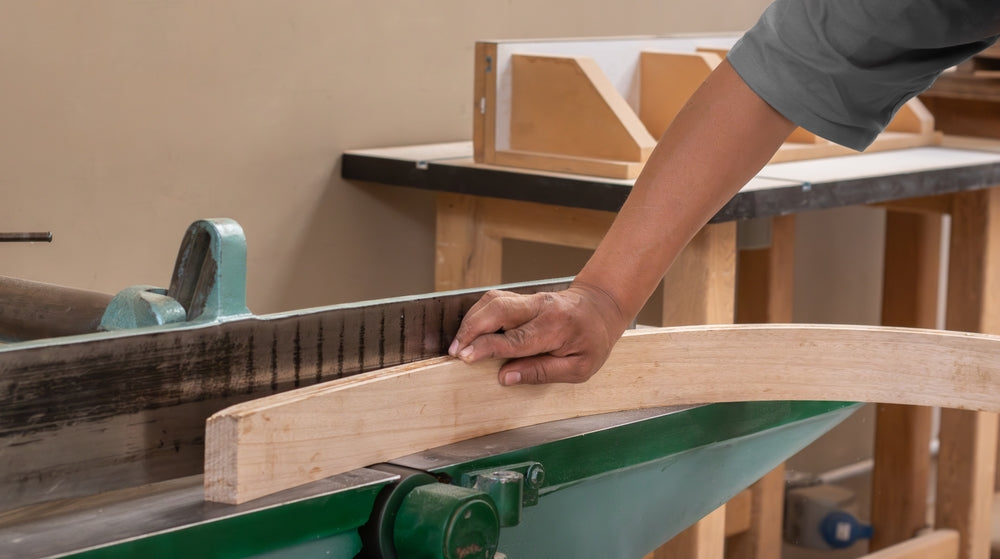
The Art of Steam-Bending Wood
Learn how to steam bend wood using traditional techniques. Discover tools, tips, and the best lumber for elegant, functional woodworking projects.

Woodworking Safety 101: Tips to Prevent Common Injuries
Stay sharp, stay safe: Prevent injuries in your woodworking shop with smart habits, clean tools, and a tidy, focused workspace.
Surfaced Lumber Guide: What does S2S, S3S and S4S Mean?
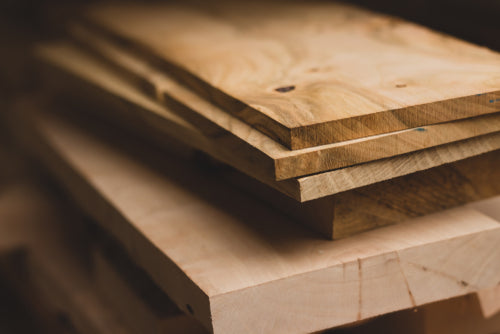
Like many crafts, woodworking comes with its own dialect. Some of the language of lumber can be tricky to get used to. But many terms that seem technical – such as S2S or S4S – are actually simple to understand and use as you plan your next woodworking project. What does S2S, S3S, and S4S lumber mean? Designations S2S, S3S, and S4S tell you the level of milling that has taken place on a board. In these terms, the first S means “surfaced” and the second “S” means sides. The number tells you how many sides have been surfaced. What does “surfaced” mean, when referring to lumber? It means that the board has been milled or planed to create a smooth surface, free of saw marks or rough edges. What Does S2S Lumber Mean? “S2S” lumber means “surfaced two sides.” S2S boards have two finished surfaces, usually the widths (faces) of the board opposite each other, with the edges left rough. They are ideal for projects that may have a requirement for variable-width boards. S2S lumber can be used to exploit a rustic look to the edges, or you could use a bandsaw to follow an uneven, natural shape along the length of the grain. When a project only has one or two finished sides to be visible, and you’re okay with some variance in width and length, S2S lumber is the type to choose. To use S2S lumber in fine woodworking projects, you’ll need to do some of your own milling or planing in your home or shop. Where to Use S2S Lumber S2S is great for construction or structural work. If you like to do a little bit of your own milling, then S2S is a great time-saver over using rough cut lumber. You get to see the figure and grain straight off without the back-breaking work required to take it from rough to finished. What Does S3S Lumber Mean? It follows then that S3S lumber has been finished on three sides, with one edge ripped nice and straight. One edge may still be rough cut, but in many woodworking projects, some surfaces are never seen, so S3S becomes a practical and economic choice. S3S boards give a woodworker the choice of flexibility when it comes to custom widths or shapes. Why pay more for a finished edge that will end up in the off-cuts bin? At North Castle Hardwoods, we offer S3S lumber packs in two grades: clear one face (C1F) and clear two face (C2F) to help you maximize efficiency on your project. Where to Use S3S Lumber Shelves and bookcases, which have one face against a wall, are ideal projects for S3S lumber. With one rough edge, adjustments for depth are easy: for example, scribing a shelf to an uneven stone, or a brick-finish wall. What does S4S Lumber Mean? S4S lumber has been finished on both faces and both edges, which should mean that the boards have four perfectly square corners. The length and width of the board can vary, of course. S4S lumber is different from a lumber square, where the width and thickness of the board are the same measurement. S4S is a popular choice among hardwood woodworkers. The lumber is ready for use in a wide range of standard projects and is of a consistent shape and size. Where to Use S4S Lumber Dimensional S4S lumber is ready to use with a minimal amount of preparation or work. Use it on furniture and cabinetry projects, or for cutting boards and any fine woodworking project. If your time is limited, or you don’t have the necessary milling hardware of a planer or jointer, then S4S lumber is the way to go. Why Can’t You Buy S1S Lumber? Surfacing just the one side of a board sounds like the economic thing to do if you only want a finish on say the top of a cabinet, or on the face of wall paneling. However, lumber is a natural material that reacts to changes in humidity. By finishing just the one side, the rate of drying becomes unequal, and the board will likely cup and bow. Is Big-Box Store S4S Lumber Worth It? Most of the lumber on the racks at your local DIY store will be S4S milled wood. It’s easier to handle, cleaner to move and set out for customers than rough cut lumber or S2S. The problem is that the transport and storage of much of this low-grade lumber sometimes leaves a lot to be desired. Oftentimes it has been exposed to humidity, and it has not been stacked properly. This is why it will show up cupped, warped, and twisted. Finding a nice, straight piece of wood with minimal defects can be a challenge, especially if you’re shopping for hardwood species. The North Castle Difference At North Castle Hardwoods, we have generations of experience in selecting, seasoning, and milling American lumber. All of the S4S lumber on our racks has been meticulously sorted for quality and stored with utmost care. Call or visit us today to pick out premium S2S, S3S, or S4S hardwood lumber you can rely on.
Lumber Sizing Explained: Rough Cut to Finished Dimensions
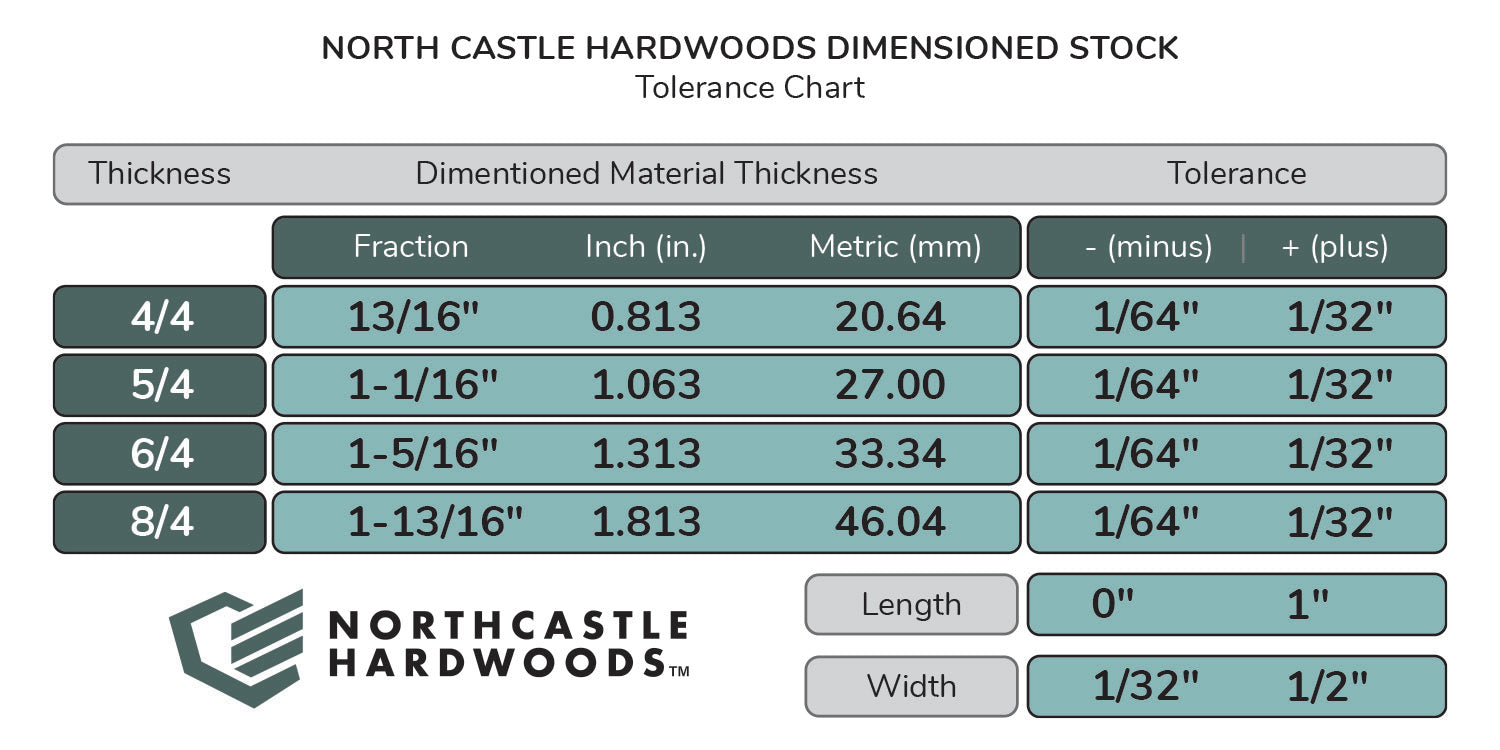
There’s some industry terminology to wrap your mind around when understanding lumber sizing. If you place an order of rough cut lumber, the actual board measurements may differ from your expectations – but there are logical reasons for this. So what does lumber sizing mean, and how do rough cuts compare to finished dimensions? Nominal vs. Actual Dimensions Lumber is often referred to by its nominal dimensions – that is, the dimensions to which it was cut before drying, planing, or finishing. So when we refer to a piece of lumber as a “two by four” (2x4) - that means it was cut to be 2” thick by 4” wide – not that it’s that size when you buy it from the store. Builder grade 2x4’s actually measure 1.5” x 3.5” when you buy them at a lumber yard. Premium grade lumber, such as the kind we offer at North Castle Hardwoods, is sometimes sold the same way. Our 8/4 thick stock, for instance, measured 8/4 thick – that is, two inches – when it was cut. But after drying and finishing, it measures about 1 and 13/16 inches (1.813”) thick. So, in this example, the “nominal” dimension is 8/4, but the “actual” or “finished” thickness is 1.813”. At North Castle Hardwoods, we have very tight tolerances on our dimensioned lumber products. This means that, if you buy a piece of lumber that we say will be finished to 13/16”, the actual thickness of that lumber will be within a 1/32” margin of 13/16”. What do the terms 8/4, 6/4, 5/4, or 4/4 lumber mean? The terms 8/4, 6/4, 5/4, and 4/4 refer to rough cut lumber thickness. Lumber thickness is measured in quarters of an inch. So 4/4 lumber is cut to be 4/4 of an inch thick – or 1 inch thick. 6/4 is rough cut to 1.5 inches thick. 8/4 and 6/4 are often considered “thick stock” lumber. Anything with a thickness of ½” or below is considered “thin stock.” See the chart below. Designation Rough Cut Thickness Finished Thickness (Approx) 8/4 2 inches 1.813 inches 6/4 1.5 inches 1.313 inches 5/4 1.25 inches 1.063 inches 4/4 1 inch 0.813 inches These terms have nothing to do with the length or width of lumber. 4/4 boards can be cut to any length or width. It’s important to keep in mind that the length and width dimensions listed on lumber for sale may be nominal or actual. Rough Cut vs. Finished or Dimensioned Lumber So when you’re buying lumber or calculating how many board feet you will need for a woodworking project, it’s crucial that you know whether the boards you are buying are being sold with nominal (i.e. rough cut) or finished dimensions. Check whether the lumber you’re buying is sold as S2S, S3S, or S4S. S2S and S3S lumber has been surfaced to an exact dimension on two or three sides. The other sides, those that aren’t surfaced, are left rough and can vary in their exact dimensions, often up to ½” or more. The length of the board can also vary up to an inch or two. Check the seller's website for exact details, since different mills have different tolerances. Here at North Castle Hardwoods, we call our S4S lumber “dimensioned” hardwood, because it has been planed or surfaced on all four sides, so you know nearly exactly the thickness and width of the board you are getting. All four surfaces of the board are straight and ready for use in a project without further planing. Buying S4S lumber doesn’t mean you won’t have to cut the board at all for your project, since widths and lengths have tolerances of ½” to 1”. But you definitely won’t get less wood than you ordered, because you can calculate based on actual (finished) dimensions, rather than rough dimensions. Why are finished dimensions of a board smaller than nominal dimensions? If you calculate how much lumber you need for a project based on rough cut dimensions, you may come up short. When wood is dried, it loses a huge percentage of its moisture. Depending on the species, green lumber may have more weight in water than in wood mass. Air-dried lumber should be 15-20% water, and expertly kiln-dried lumber has a moisture content of only 6-8%. While the weight of a board changes with drying more than length, width, or thickness does, these dimensions are also affected. Even after drying, lumber is a natural product, and is prone to atmospheric changes, such as humidity, which affect the size and shape of a piece of wood. After drying, wood may be planed to create a smooth flat surface, remove imperfections, and/or to standardize sizing. This brings the size of the board down a bit more. So What is Rough Cut Lumber? Rough cut lumber is timber that has been sawn but not finished. It’s the wood you will find at the sawmill or lumber yard before it goes off to be further processed. It will likely have saw marks and other imperfections from being cut to size. Rough cut lumber is less expensive than dimensional lumber because of the lack of processing, milling, and treatment. Its main use is in framing buildings where a fine finish is not required. When the lumber is enclosed within a wall it doesn’t matter what it looks like. Some woodworkers like the rustic look that rough cut lumber can give. Others enjoy carrying out the milling work themselves to get the right dimensions for their own project. Partly-finished lumber that retains some textural elements left over from the band saw can suit some woodwork projects. We love S3S lumber, because it’s been surface planed on both faces with a straight-line rip on one edge. The other edge is left rough. This gives the woodworker maximum width and thickness to work with, but makes it easier to get straight edges than it is with rough lumber. Rough cut lumber is often sold by the board foot, as sizes can be irregular. At North Castle Hardwoods, we have tolerances in place to make sure you know what size board you’re ordering. But if you’re shopping at a local mill, always take a tape measure with you so you can be sure you are getting what you came for! The downside to using rough cut lumber for finished work is that it does take a fair bit of work to get to a point where it is usable. You might use it to put together a shop workbench or a rustic outdoor bench and table set. But for fine indoor furniture, rough cut lumber isn’t the best choice unless you have milling and planing equipment of your own. What is Finished Dimensional Lumber? Finished dimensional lumber is what you find on the racks at your local lumber yard or big box DIY store. It’s timber that has been through all the processes required to turn it into a ready-to-use finished product. It will be planed and squared and cut to specific shapes, from rectangular, to square, to tongue and groove planks. The worst defects have been cut off and left behind. Split, waney-edged, and damaged lumber rarely makes it onto the racks if you buy from a reputable supplier. As a result, dimensional lumber will cost more than rough cut lumber – but you’re getting a better value. Which Lumber is Right for Your Project? Rough cut is cheaper, but it will cost you more time to prepare it for use in woodwork projects. Pine is easier to mill at home, as it is a softwood. Hardwoods such as oak, cherry, or maple are much harder and require much more specialist tools. Hardwood can be quite unforgiving, especially if your tools aren’t as sharp as they could be. So if you’re shopping for hardwood, especially, you’ll benefit from buying finished or partially finished boards. The moisture content will be consistent, and the size and performance will meet your expectations. At Northcastle Hardwoods, the quality of the dimensional lumber is never in question. Pay us a visit, or order online today.
Protect Your Natural Wood Furniture: Cleaning & Care Tips
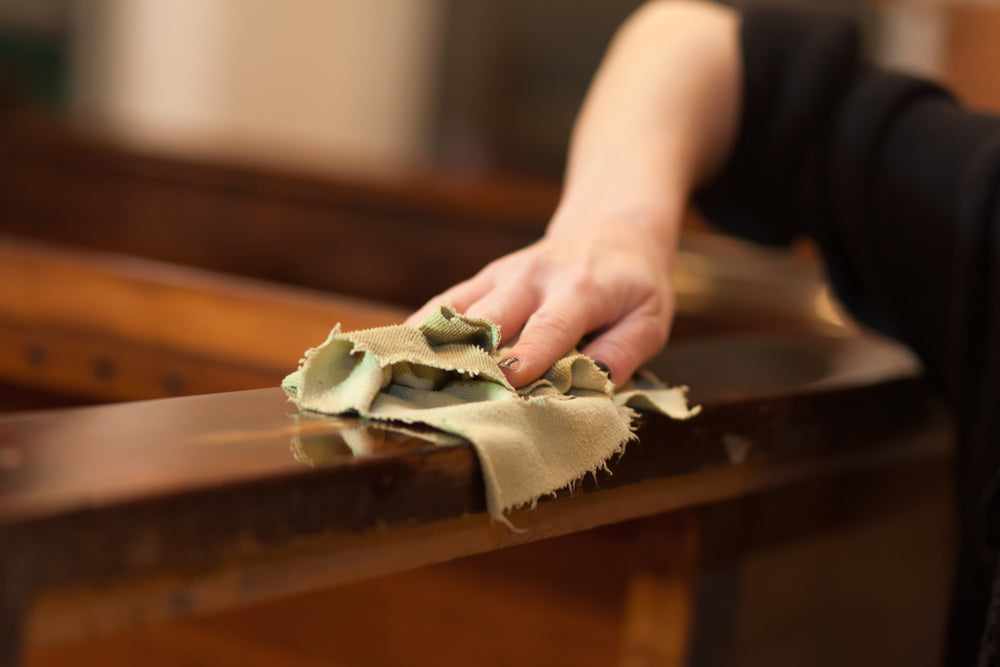
When you have beautiful, natural wood furniture, you want to keep it looking as good as the day you got it! Our cleaning and care tips will help keep your furniture looking as beautiful as the day you brought it home. How To Care For Your Natural Wood Furniture Taking care of your natural wood furniture can be as simple as where you place it in your home, or using a coaster. While it is easy to care for, it is important to care for it properly to ensure a long lifespan and continued beauty. Seal Your Furniture Sealing your furniture is important not just to create a barrier against moisture. Sealants can also protect wood from scratching, warping, and cracking. It can even help reduce the effects of UV rays. A simple coat of sealant can help extend the life of your furniture by years! Keep Out Of Sunlight Sunlight is the enemy of wood furniture, even when kept inside! The color of natural wood can fade when exposed to too much direct sunlight. The heat can dry out the wood, leading to cracks, warping, or even melting the finish. Try to position wood furniture away from windows. If your furniture will be exposed to a lot of sunlight, seal it first to provide some protection. Use Trivets Placing hot dishes directly on wood can cause burn marks, scorch marks, or stains. Heat can also melt the finish of your furniture. It is important to always use a trivet or even an oven mitt before putting hot dishes down to protect your wood furniture. Use Coasters No one wants to see unsightly water rings on their beautiful wood furniture. Be sure to use coasters, and if you see any standing water, wipe it up immediately. Choose coasters with soft, non-abrasive bottoms to avoid scratching the wood. Manage Humidity Humidity is the enemy of wood furniture, with the ideal humidity range between 40 and 45 percent. In some areas, you may need to run a humidifier in the winter to combat the dry air, which prevents the wood from drying out and shrinking. Likewise, some climates may need a dehumidifier in the summer to avoid too much moisture, and to keep the wood from swelling and warping. Avoid using wood furniture in humid basements – unless you use a dehumidifier to keep the moisture levels under control. Lift, Don’t Drag When picking up an item from your table, always lift – don’t drag it! This will help avoid scratching or gouging the wood. Even something light and small, like a coaster, can damage wood if dragged across the furniture, especially if it doesn’t have a soft covering on the bottom. How To Clean Your Natural Wood Furniture Another important way to care for your furniture is to clean it properly. While it may be tempting to grab the closest thing at hand, the right care will keep your furniture looking wonderful for many years to come. Clean With Soap & Water Cleaning your natural wood furniture couldn’t be more simple! Use a mild dish soap and a damp, not dripping, washcloth or sponge. After gently cleaning your furniture, wipe it down with a clean, damp washcloth. Finally, dry the furniture with a dry washcloth. Clean Spills Immediately You never want to leave moisture sitting on your wood, nor do you want to allow the table to remain dirty or sticky. Clean spills promptly to avoid staining or cracking, and be sure to dry the wood afterward. You should never submerge your wood furniture in water, so remember if you do need to use water, stick to a damp cloth. Polish Polish helps protect the wood, as well as keeping the wood shiny and beautiful. After each cleaning, be sure to polish your furniture to help replace the polish that inevitably wore off. You can use an all-purpose cleaner if you need to remove stains before you apply a new coat of polish. Dust Regularly Dusting your furniture regularly prevents dirt and grit buildup. Be sure to use a soft, dry cloth or duster. Avoid paper towels, as they can lead to scratches on the furniture, especially when dry dusting. Avoid Harsh Chemicals Avoid using harsh chemicals like bleach or ammonia on your furniture. Cleaners that contain chlorine, as the ones mentioned do, can damage the finish on your furniture. Over time they will cause staining, discoloration, or even cracking! Care For It Now, Love It For Life Natural wood furniture offers many colors and ways to incorporate its elegance into your home, no matter your preferred decor style. With proper care and cleaning, you’ll be happy with your furniture for years to come. North Castle Hardwoods Is Here To Help At North Castle Hardwoods, we believe in providing quality, sustainable wood for all your project needs. We also look for the best products to keep your wood projects amazing, like this finishing wood wax, safe for everything from cutting boards to furniture. We’re here to help, whether you want to take advantage of our expertise in providing wood to top Japanese furniture makers for the past 30 years, or you want to browse our articles on a variety of wood-related topics. If you have a question, please reach out to us today! Our experts are here to help you.
Why You Should Choose Natural Wood Furniture for Your Home
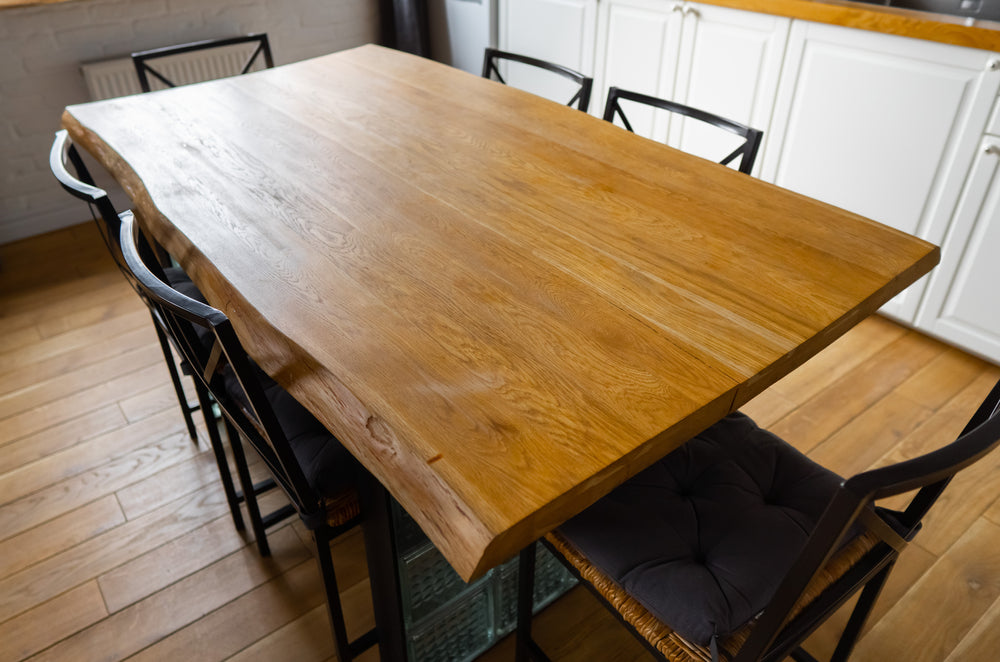
Whether you are a traditionalist or have an eye for modern design, natural wood is a great choice for home furnishings. With its versatility and aesthetic good looks, natural wood furniture never goes out of style. Solid wood furniture can stand the test of time and is often handed down through the generations. Choose natural wood for its robust performance, strength, and utility. Hardwood is a sustainable choice too with lumber grown right here in the Mid-West. At North Castle Hardwoods, we know wood, and what it can do. What is Natural Wood Grain Furniture? Natural wood grain furniture is made from sections of solid lumber, machined, and sometimes finished by hand. The nature of wood means that no two pieces will be identical, as the way it was grown, or cut, will produce differences in the lumber. Some species are used for their regularity. Maple is a bright-grained wood that has a uniform appearance and is popular in modern industrial furniture design. Oak and cherry, on the other hand, are renowned for their individual character and are widely used for feature tabletops, and other traditional furniture projects. Eight Reasons to Use Natural Wood for Furniture Only eight, you say? Well, eight is plenty, but the main reason for us comes top of the list. It's Beautiful Top of the list is the unarguably definitive reason that real wood is beautiful. It has a depth of color, and reflective texture that exudes warmth and quality. The wide variety of grain colors, from the pale yellow of maple to the deepest cherry red, to rich dark chocolate walnut and oak tones, is remarkable. Finished with proprietary waxes, or oils, the beauty of the wood grain becomes almost three-dimensional, infused with the light of many summers growth. Some lumber, like oak, has a complex grain that delivers gloriously repeating patterns. It's Long-Lasting Natural wood furniture is not just robust and long-lasting, but, unlike some of us, it gets better looking as the years roll by. Colors deepen, and a patina of age can make the wood grain seem richer. If a piece of solid wood furniture has been badly finished with varnish or paint, it doesn’t take much to get it looking amazing once again. With a little effort with sandpaper and a finishing product, it can be back to looking good as new in no time. I have a table that was made by my uncle just after WWII. He and my aunt dined at it every day of their long marriage, and now it sits in our home. We also own an oak side table that his grandmother used. Both are in excellent condition. The side table was rescued from a paint shop, cleaned, sanded, and waxed! It's Unique No two pieces of wood are exactly alike. Hardwood and softwood grains each have different qualities that make them suited to different jobs. Even mass-produced pieces of wooden furniture that have to aspire to a uniform aesthetic, and attain common quality standards, will each be unique. A pair of bedside tables might match, in that they are made to the same design, but look closely at the door front, at the drawer, and at the top. They will each differ to some degree depending upon the regularity of the grain. Brings Nature Inside The benefits of the natural world with regard to our mental health and general well-being have long been documented. However, we aren’t all lucky enough to be able to go for walks in the forest every day. Real wood can help us to feel that same connection to the forest that we experience when we get out into a national park or sports field. The natural forms framed by a piece of solid wood furniture, the colors of the grain, and the way it flows within the structural necessity of furniture. Offers Easy Maintenance Solid wood is easy to look after too. Keep it dry, dust it, and perhaps give it the occasional polish to keep it looking great. If a piece of wooden furniture is damaged it can be easily repaired. A scratch can be sanded out, stains polished away, and broken parts renewed. Once a plastic laminate surface has been chipped, or marked, that’s it. It will never look like new ever again. Real wood, on the other hand, can be burned, painted, or otherwise mistreated, and still be revived to its former glory with a little time and care. Retains Value A well-made piece of natural wood furniture will keep its value for years. Mid-century furniture has recently had something of a revival. If you have a chair, side tables, or a cabinet in the back of the garage that belonged to your parents, or grandparents, it might be worth something today. The same goes for any investment in solid wood furniture you make right now, whether purchased from a local store or workshop or made at home, in your own shop. Real wood furniture is usually very well made and will hold its value over the decades. It Matches Any Interior Style Do you have eclectic taste, enjoying a mix-and-match approach to home décor? Or are you someone who likes to live with a theme? Whatever your style, traditional, modern, or avant-garde, real wood is versatile enough to take on all your fancies. The thing with natural wood furniture is that it is quality, and quality my friend, never goes out of style. I have a utility-style table in the great room that we use for hobbies, made from pink and yellow piranha pine. It doesn’t match anything else in the house, but it looks perfect where it is. It's Sustainable Wood is one of the best-managed, most sustainable resources on the planet. As it grows it captures carbon while providing a habitat for wildlife. Cherry trees also provide food for birds, and people, every summer. Oak grows particularly slowly, but as a resource is carefully stewarded by professional foresters ensuring that future generations can also benefit from using quality lumber. The fast-growing American black cherry tree is used to rehabilitate land that has suffered from mining or other industrial use. By filling your home with natural wood furniture, you become part of this sustainable cycle, whether purchasing new, or upcycled pieces or making your own custom creations. Tips for Using Natural Wood Working with wood is one of the joys of being on planet Earth. It really is an amazing material, which you can bend, cut, and fashion to whatever you want. The versatility of lumber means that you can use it to make almost every functional piece of furniture you need. The five top tips I have for using natural wood are these: Always make sure your tools are clean and sharp. Always have more than one tape measure, they disappear at will. Always keep your pencil point keen, and mark gently. Always stack and store your lumber carefully so you can see what you have. Always take time to enjoy what you are doing. We Sell Natural Hardwood! At North Castle Hardwood, one of the best parts is picking out the lumber for a project. You are always welcome to come down to our depot and spend time looking through our selection of top-quality natural wood. We have been supplying hardwood locally for more than three decades, to furniture workshops here in the Mid-West, and beyond, to the master furniture makers of Japan. Do we send them the best stuff? Of course we do, but not all of it. We have a huge range of fantastic North American-grown lumber for you to choose from. If you can’t make it to our depot, call us. We can dispatch hand-picked pieces direct to your door.